
The Role of AI in Travel Content and Travel Itineraries
 April 11, 2026
 10 min read

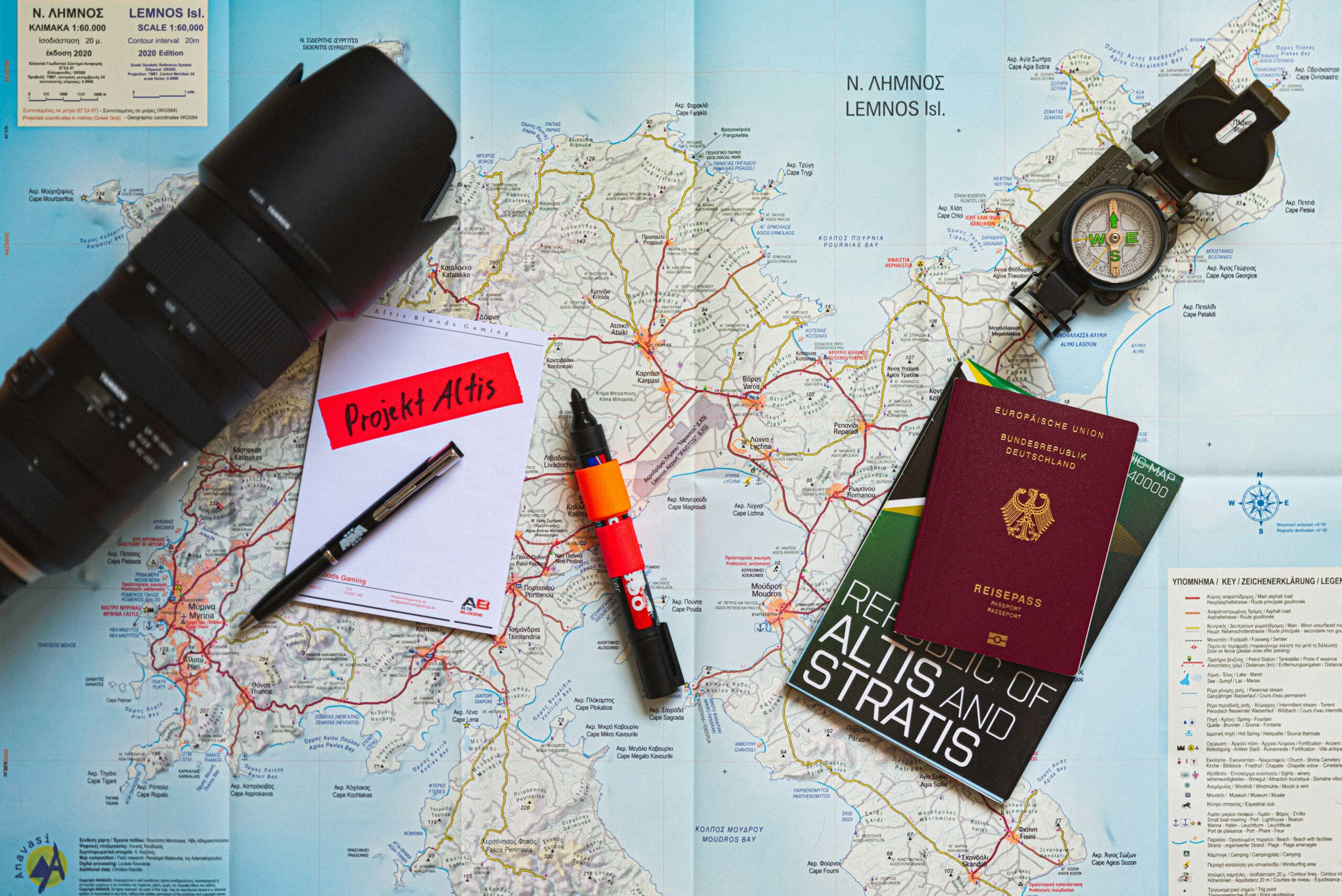
You are embarking on a journey where the landscape of travel is steadily, and sometimes subtly, shifting. This isn’t a future vision; it’s the current reality shaped by artificial intelligence. From the initial spark of an idea to your return home, AI is interwoven into nearly every facet of your travel experience, streamlining processes, personalizing recommendations, and even anticipating your needs. It’s not about robot concierges at every turn (though those exist), but about the intelligent algorithms working behind the scenes, enhancing efficiency and improving your interactions with the travel ecosystem.
The inception of any trip involves a significant amount of research and decision-making. You sift through countless options, compare prices, and try to piece together an itinerary that fits your desires and budget. This is where AI begins its transformative work.
Gone are the days when a generic guidebook was your primary resource. You now benefit from AI algorithms that analyze your past travel history, stated preferences, and even your social media activity (if you’ve granted access) to suggest destinations, activities, and accommodations. This isn’t just about showing you popular spots; it’s about understanding your inclination towards cultural immersion, adventurous excursions, or quiet relaxation.
Imagine you’ve expressed an interest in historical sites and local cuisine. The AI doesn’t just list museums; it constructs a multi-day itinerary that logically connects historical landmarks, recommends hidden gem eateries known for authentic dishes, and even factors in optimal travel times between locations. It learns from your feedback, refining its suggestions for subsequent trips. This iterative learning process means the more you interact with these platforms, the more accurate and tailored their recommendations become.
You’ve undoubtedly noticed how flight and hotel prices fluctuate. AI is at the core of this dynamic pricing model. It analyzes vast datasets, including demand, seasonality, competitor pricing, and even weather patterns, to predict optimal pricing points. While this can sometimes lead to higher prices during peak demand, it also enables you to snag deals when demand is low or if a cancellation creates an unexpected opening.
Booking platforms leverage AI to present you with the best options based on your search criteria. It’s not just about the cheapest flight; it’s about finding the flight that balances price, layover duration, and airline preference. Similarly, for hotels, AI considers factors beyond just price, such as guest reviews, amenities, and proximity to your planned activities, to recommend accommodations that align with your overall trip goals. Some platforms even predict when prices are likely to increase or decrease, advising you on the best time to book.
In addition to exploring the transformative impact of AI on travel experiences, another insightful article discusses the essential tools for enhancing hotel websites. This piece, titled “Best Hotel Website Builder Plugins for WordPress,” highlights various plugins that can optimize hotel websites, making them more user-friendly and efficient. By integrating these tools, hotels can leverage AI-driven features to improve customer engagement and streamline booking processes. For more information, you can read the article here: Best Hotel Website Builder Plugins for WordPress.
During your travels, issues can arise, or you might simply require information. AI is increasingly stepping in to provide timely and efficient assistance, often before you even realize you need it.
Your interactions with airlines, hotels, and travel agencies are increasingly mediated by AI-powered chatbots. These aren’t the simplistic rule-based bots of yesteryear. Modern chatbots utilize natural language processing (NLP) to understand your queries, even when phrased informally or ambiguously. They can answer common questions about baggage policies, flight status, check-in procedures, or Wi-Fi availability.
When your request is more complex, requiring human intervention, the AI chatbot acts as a first line of defense, gathering essential information and often directing you to the appropriate human agent with a summary of your issue. This minimizes the time you spend repeating information and allows human agents to focus on more nuanced problems, improving overall efficiency and reducing your frustration.
Language barriers are a common challenge for international travelers. AI-powered translation tools are revolutionizing this aspect. You can now use apps on your smartphone that translate spoken conversations in real-time, displaying the translated text or even speaking it aloud. This facilitates communication with locals, ordering food, or navigating public transport in unfamiliar linguistic environments.
Beyond basic translation, AI is also being integrated into communication platforms used by hotels and tour operators. This allows for seamless communication between you and service providers, irrespective of language, ensuring that your needs and preferences are accurately understood and addressed.
Once you’re at your destination, AI continues to work its magic, aiming to make your experience as smooth and enjoyable as possible.
Your travel app or smart device, armed with AI, becomes your intelligent co-pilot. Based on your location, time of day, and previously expressed interests, it can proactively suggest nearby attractions, restaurants, or events. If you’ve been reviewing art museums, it might suggest a contemporary gallery exhibition happening nearby. If you’ve been searching for coffee shops, it could pinpoint highly-rated local favorites.
These recommendations go beyond generic lists. They factor in real-time data such as current wait times at popular attractions, traffic conditions to help you choose the best route, or even the current weather to suggest indoor or outdoor activities. Some hotels are even incorporating AI into their in-room tablets, allowing you to request services, book excursions, or control room amenities with a few taps, all while receiving personalized recommendations for local experiences.
The queues at airport check-in and security can be a source of significant stress. AI is helping to alleviate this through automation and biometric identification. Self-service kiosks, often powered by AI, allow you to check in, print boarding passes, and even tag your luggage without human intervention. This speeds up the process and reduces congestion.
More significantly, biometric security – facial recognition, fingerprint scanning, or iris scanning – is becoming increasingly prevalent. After an initial enrollment, you can pass through security checkpoints with just a glance or a touch, eliminating the need to constantly present your passport or boarding pass. This not only enhances efficiency but also offers a higher level of security, as biometric data is much harder to replicate or steal.
Even after your journey concludes, AI continues to contribute, helping you process your experiences and providing valuable insights for future trips.
You’ve likely contributed to online reviews of hotels, airlines, or attractions. AI plays a crucial role in analyzing these vast quantities of unstructured text data. Sentiment analysis algorithms can quickly identify recurring themes, positive and negative sentiments, and specific pain points mentioned by travelers.
For travel providers, this information is invaluable. It allows them to quickly identify areas for improvement, address common complaints, and tailor their services to better meet customer expectations. For you, it means that your feedback is not just read, but understood and acted upon, potentially leading to better travel experiences in the future due to the continuous improvement fostered by this analysis.
Your interaction with travel platforms doesn’t necessarily end when you return home. AI can use your post-trip data and feedback to offer personalized engagement. This could include suggesting relevant articles or documentaries about the destinations you visited, recommending related travel products, or even prompting you to share your photos and stories with a curated audience.
This post-trip engagement isn’t just about marketing; it aims to sustain your interest in travel and reinforce positive memories of your recent journey. By understanding your evolving preferences, AI helps to build a continuous relationship with you, positioning itself as a trusted partner for your future adventures.
In exploring the transformative impact of technology on travel, a fascinating article discusses the innovative features of Tourfic’s latest package pricing and bulk editing tools, which align perfectly with the ways AI is enhancing the travel experience. By streamlining booking processes and personalizing customer interactions, these advancements are making travel planning more efficient and enjoyable. For more insights on how technology is reshaping travel logistics, you can read the full article on Tourfic’s offerings here.
Beyond your direct interactions, AI is silently improving the operational backbone of the travel industry, leading to benefits that eventually trickle down to you.
Airlines, hotels, and transportation companies manage complex logistical challenges. AI is instrumental in optimizing resource allocation. For airlines, this means optimizing flight paths to save fuel, predicting maintenance needs for aircraft, and efficiently scheduling crew. For hotels, it can involve predicting occupancy rates to optimize staffing levels, managing energy consumption, and streamlining supply chain operations.
These efficiencies not only impact the bottom line for businesses but also contribute to a more sustainable travel industry. Reduced fuel consumption, minimized waste, and optimized energy use all have environmental benefits, which you, as a conscious traveler, may appreciate.
The safety and reliability of travel infrastructure are paramount. AI plays a growing role in predictive maintenance for vehicles, aircraft, and critical equipment. By analyzing sensor data in real-time, AI can detect anomalous patterns that might indicate impending mechanical failure. This allows for proactive maintenance, preventing breakdowns and ensuring the smooth operation of services.
For example, an airline might use AI to monitor engine performance data and identify a subtle anomaly that suggests a component needs inspection before it becomes a critical issue. This directly translates to fewer delays, increased reliability, and ultimately, greater safety for you as a passenger.
In conclusion, AI is not a fleeting trend but a fundamental shift in how you plan, experience, and reflect on your travels. It’s working largely behind the scenes, yet its impact is felt in the personalized recommendations you receive, the efficiency of your airport experience, the ease of communication in a foreign land, and the seamlessness of your overall journey. As AI continues to evolve, expect these advantages to become even more integrated and intuitive, further streamlining your path to discovery and adventure. The future of travel, for you, is increasingly intelligent.
AI stands for artificial intelligence, which refers to the simulation of human intelligence in machines that are programmed to think and act like humans.
AI is revolutionizing the travel experience by providing personalized recommendations, improving customer service through chatbots, optimizing travel routes and schedules, enhancing security and safety measures, and streamlining the booking process.
Examples of AI in the travel industry include virtual assistants for booking and customer service, predictive analytics for pricing and demand forecasting, facial recognition for airport security, and language translation services for international travelers.
AI improves customer service in the travel industry by providing instant responses to customer inquiries through chatbots, offering personalized recommendations based on customer preferences, and resolving issues more efficiently through automated processes.
Potential drawbacks of AI in the travel industry include concerns about data privacy and security, the potential for job displacement as AI technology replaces certain human roles, and the need for ongoing maintenance and updates to AI systems.